Scaling social publishing workflows through integrated collaboration
Instagram Collab Publishing
Date
December 2025 - January 2026
Company
BuzzFeed
Scenario
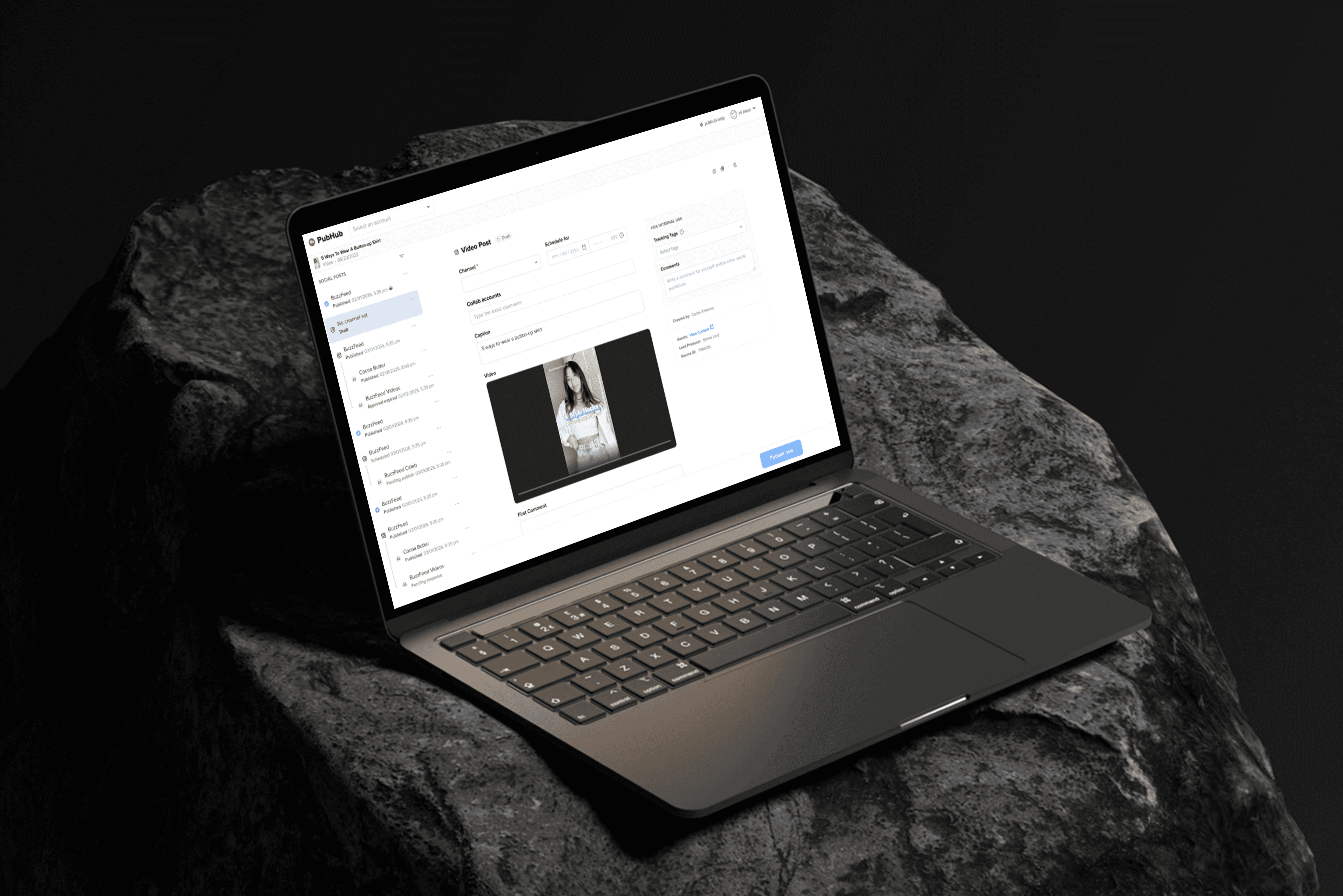
BuzzFeed’s social teams rely heavily on Instagram Collabs to expand reach, but PubHub (internal publishing tool) didn’t support this workflow. Teams had to manually add collabs, loosing track of social data.
Roles
Workflow mapping
UX/UI design
Interaction design
System design
Product thinking
Handoff
Challenge
How might we integrate Collab publishing into PubHub to reduce manual coordination, improve visibility, and scale content output?
Results
~60%
time saved / post
161 collabs in Feb
vs 105 in Jan
Less manual
coordination
Context
Permutive
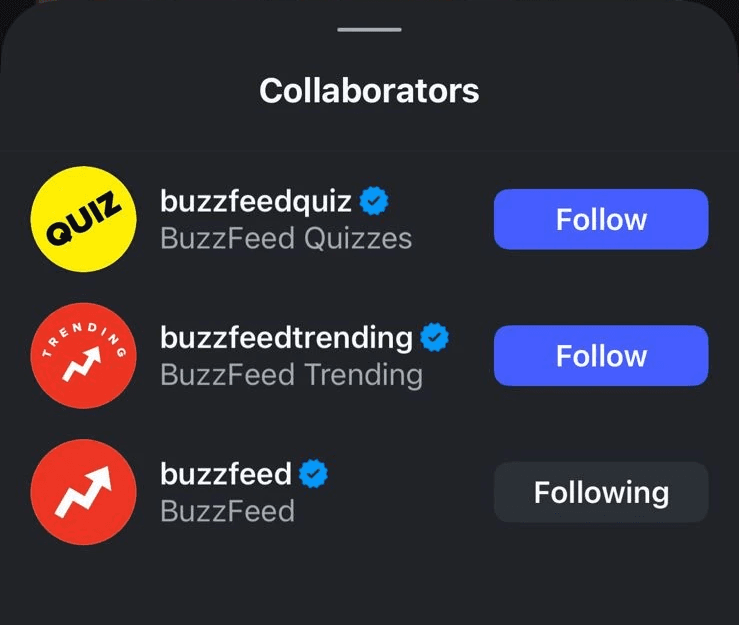
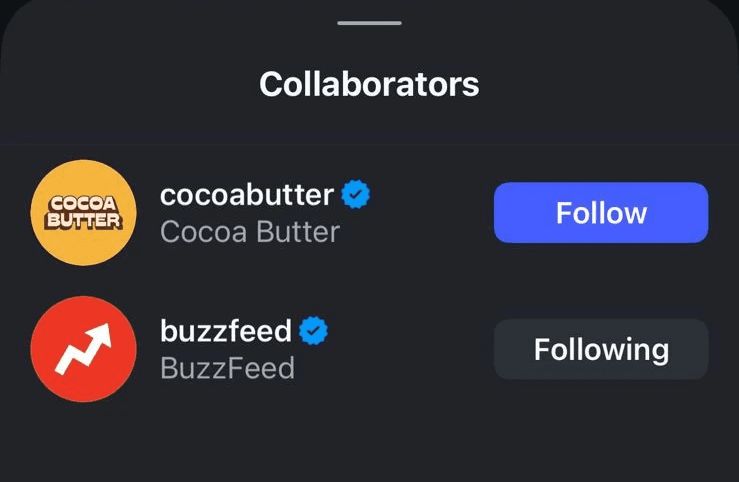
Instagram Collabs are a core growth mechanic, allowing posts to appear across multiple accounts and combine audiences.
However, PubHub lacked native support, forcing teams to:
Coordinate manually via Slack and DMs
Track posts outside the system
Risk duplication and publishing errors
This created friction in a workflow that was increasingly critical to growth.



Problem
The existing workflow was:

Fragmented: split between PubHub and Instagram.

Manual: required cross-account coordination.

Invisible: collabs not reflected in planning tools.

Data blind: unnable to follow the metrics in the system.
Opportunity
Used frequently by key teams (daily/weekly)
Proven to increase reach and engagement
Critical for campaigns and partnerships
The problem wasn’t demand — it was execution friction
Strategy
Instead of redesigning the workflow entirely, the goal was to:
Integrate Collabs into existing publishing flows
Reduce coordination overhead
Maintain consistency with current tools
Reflect collabs directly in planning and tracking systems
Solution
Adding collab
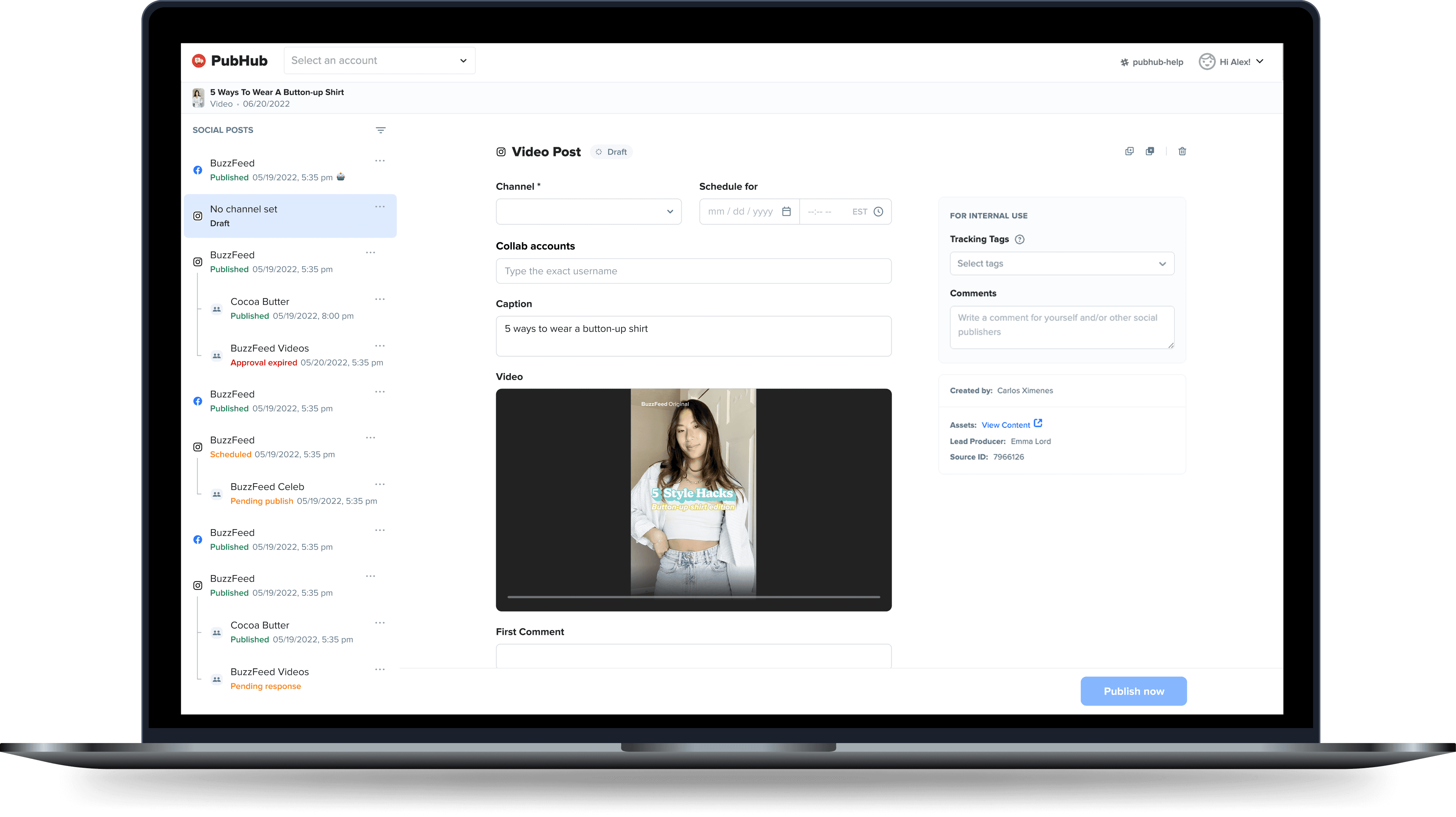
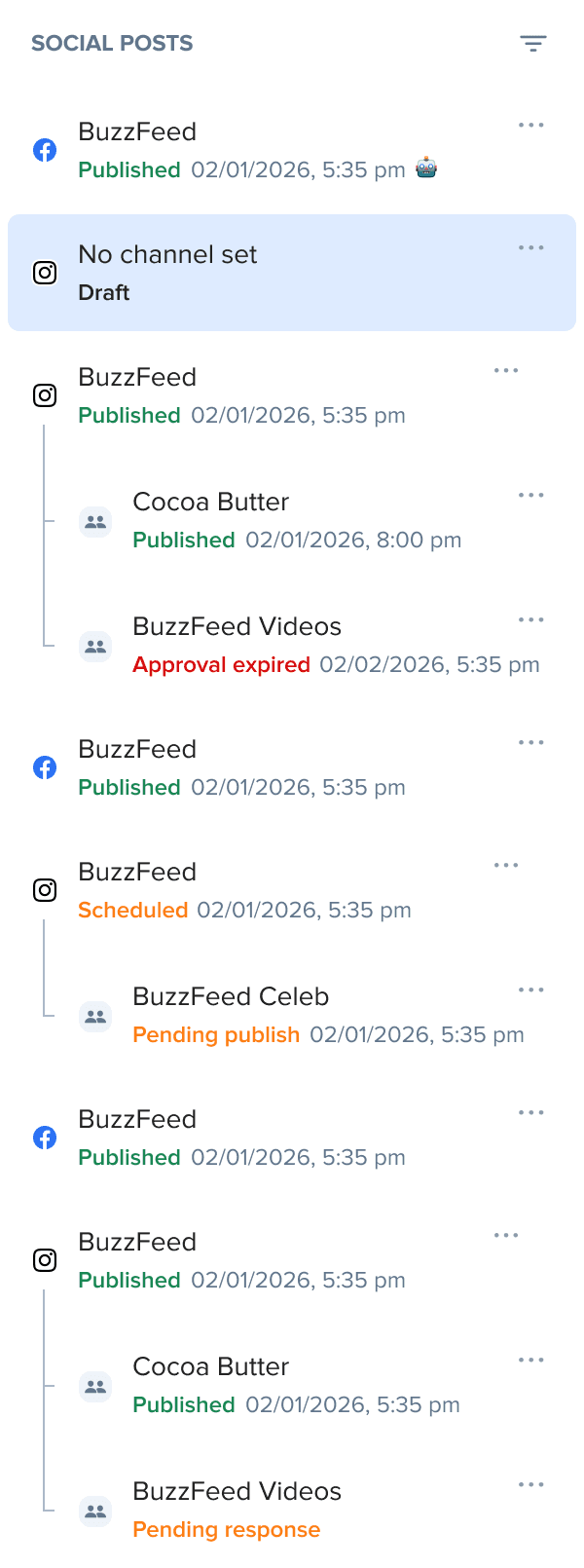
Explain status correlation?
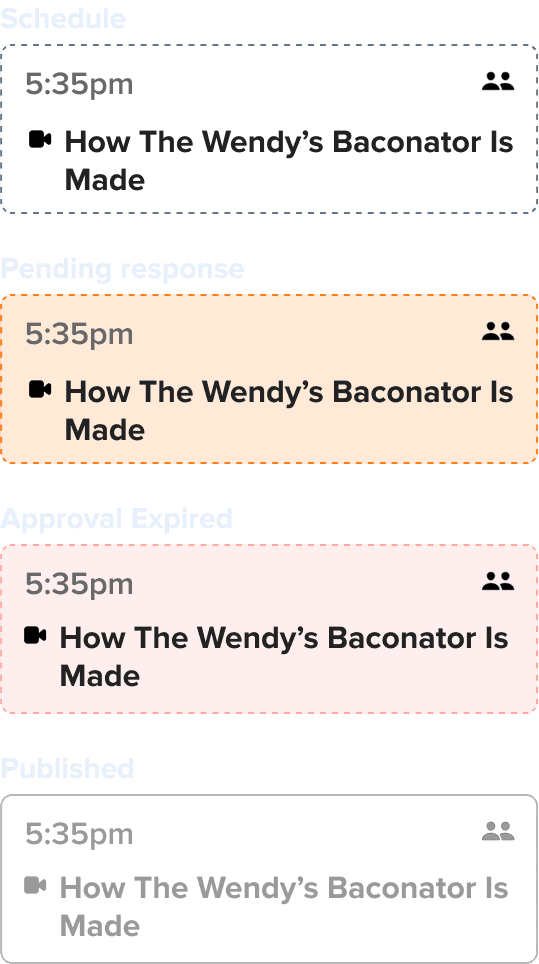
Show planner and difference from these to non-collab posts?
UX Key Decisions

Collab selection during post creation
Users can define collaborators upfront, within the same flow.
Clear system states
To effectively communicate real-world scenarios and needed actions.
Parent / child post structure
Collab posts automatically generate linked entries across accounts.
Automatic syncing
Once approved on Instagram, posts appear in PubHub without manual input like before.
huum
on hold
Results achieved
~60%
reduction in publishing time
161 collabs in February
vs 105 in January, before release
Faster execution
of collab strategies
Increased output
across key accounts
Less manual
work and coordination
Learnings
Integrating into existing workflows is often more impactful than introducing new ones
Reducing operational friction directly enables growth
System design (states, sync, rules) is as important as interface design
Final Insight
By embedding collaboration into the core workflow, we turned a manual process into a reliable, scalable growth mechanism.