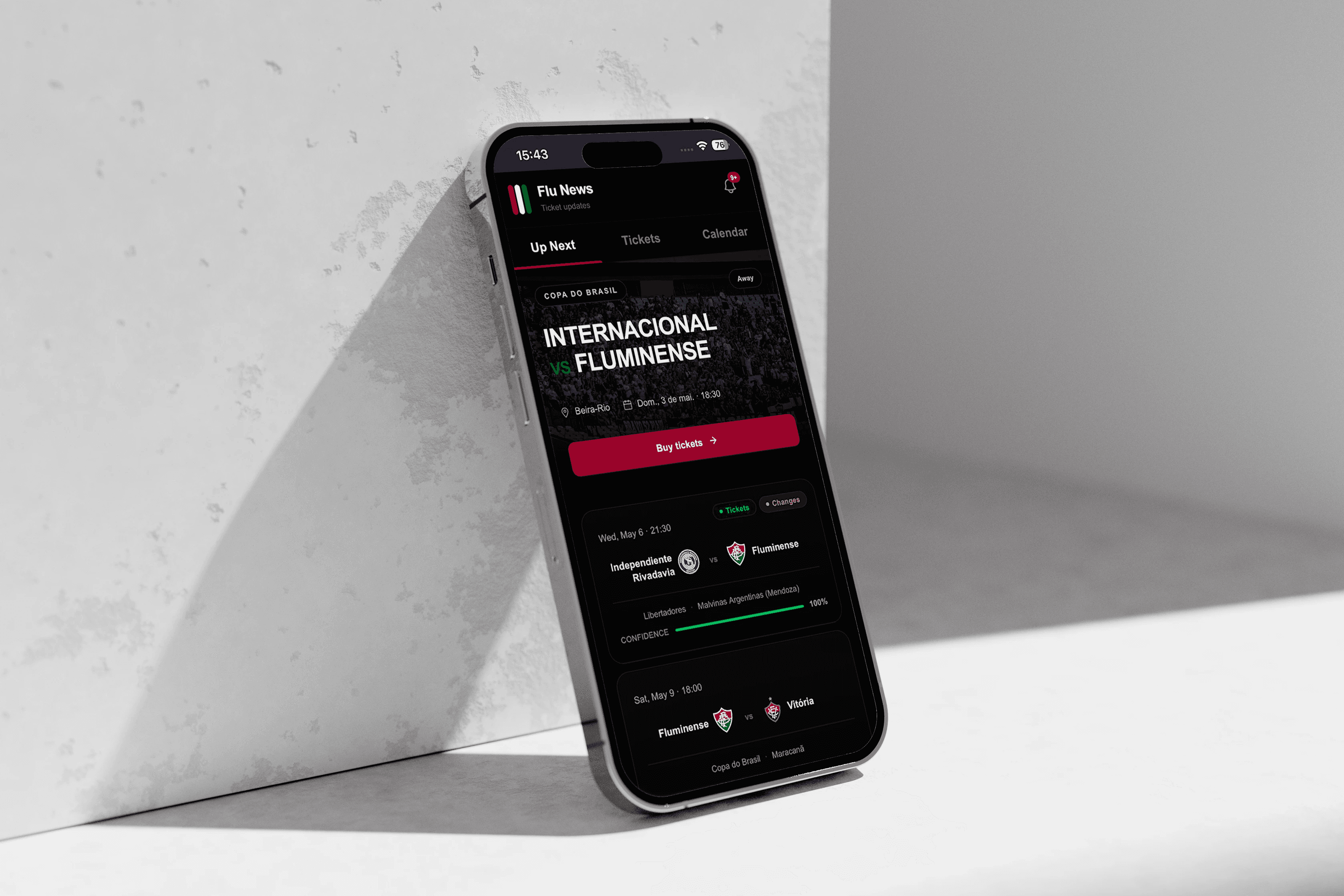
Scaling native advertising through subtle design and AI product-article matching
Designing a Scalable Native Commerce Ad Format

Date
January 2025 - February 2025
Company
BuzzFeed
Scenario
BuzzFeed’s shopping content drives significant traffic and affiliate revenue, but monetization opportunities were limited by manual workflows and underperforming Ad formats.
Roles
Benchmarking Ad formats and competitors
Native component design (subbuzz-based UI)
Defining placement logic
Prototyping variations
Partnering with ML on matching logic
Design handoff & implementation support
Challenge
How to scale monetization by inserting relevant products into content, without disrupting the reading experience or relying on manual editorial work.
Results
2.0% CTR
vs <1% for other Ads
~$24K daily
revenue increment
41% CPM growth
vs replaced units

The problem with traditional Ads
Existing units are generally:
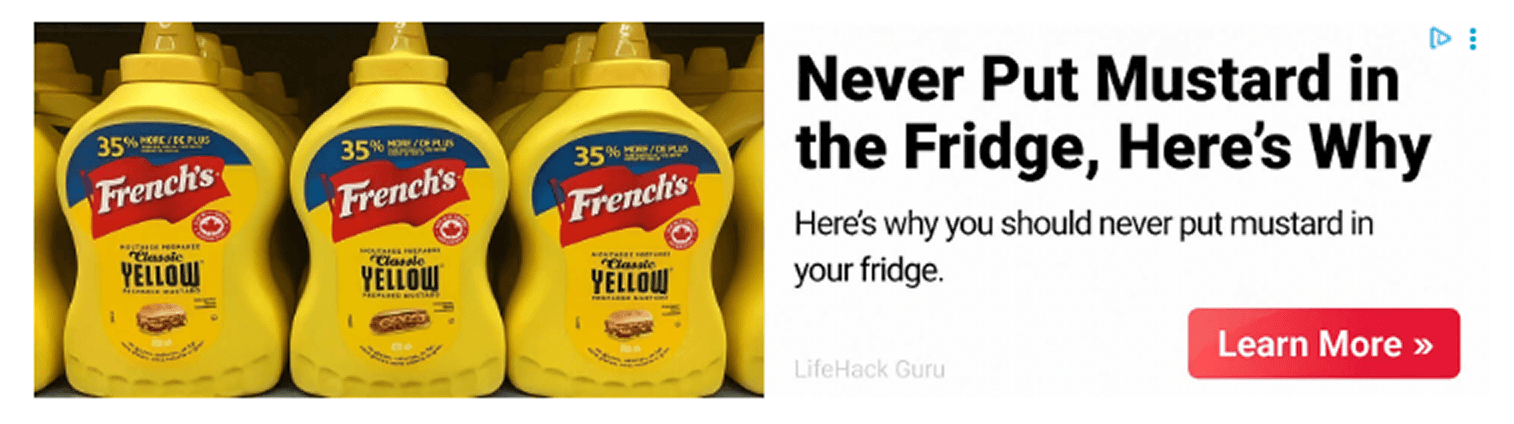
visually disconnected from the page content
interrupting the reading experience
ignored or perceived as noise
optimized for placement, not experience





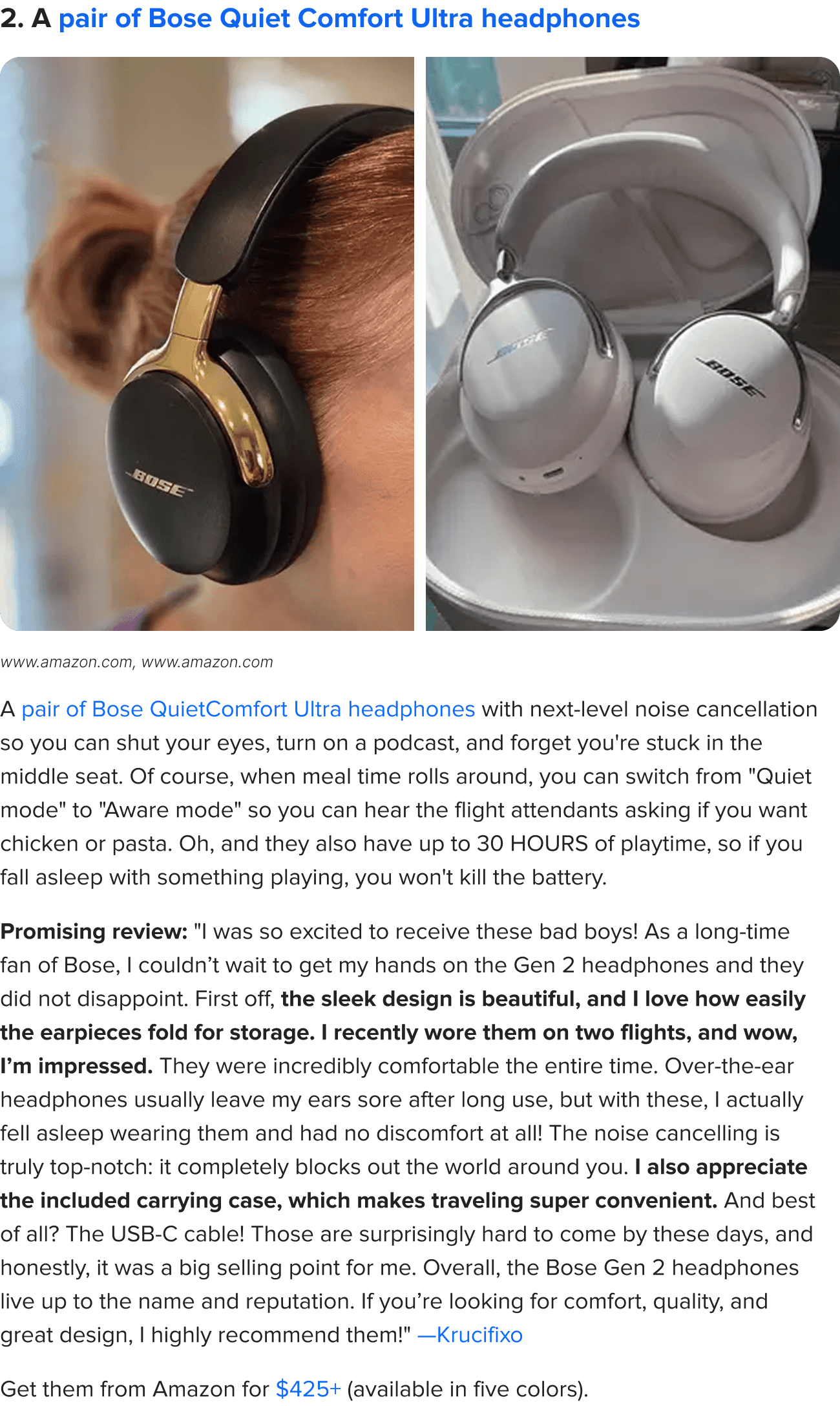

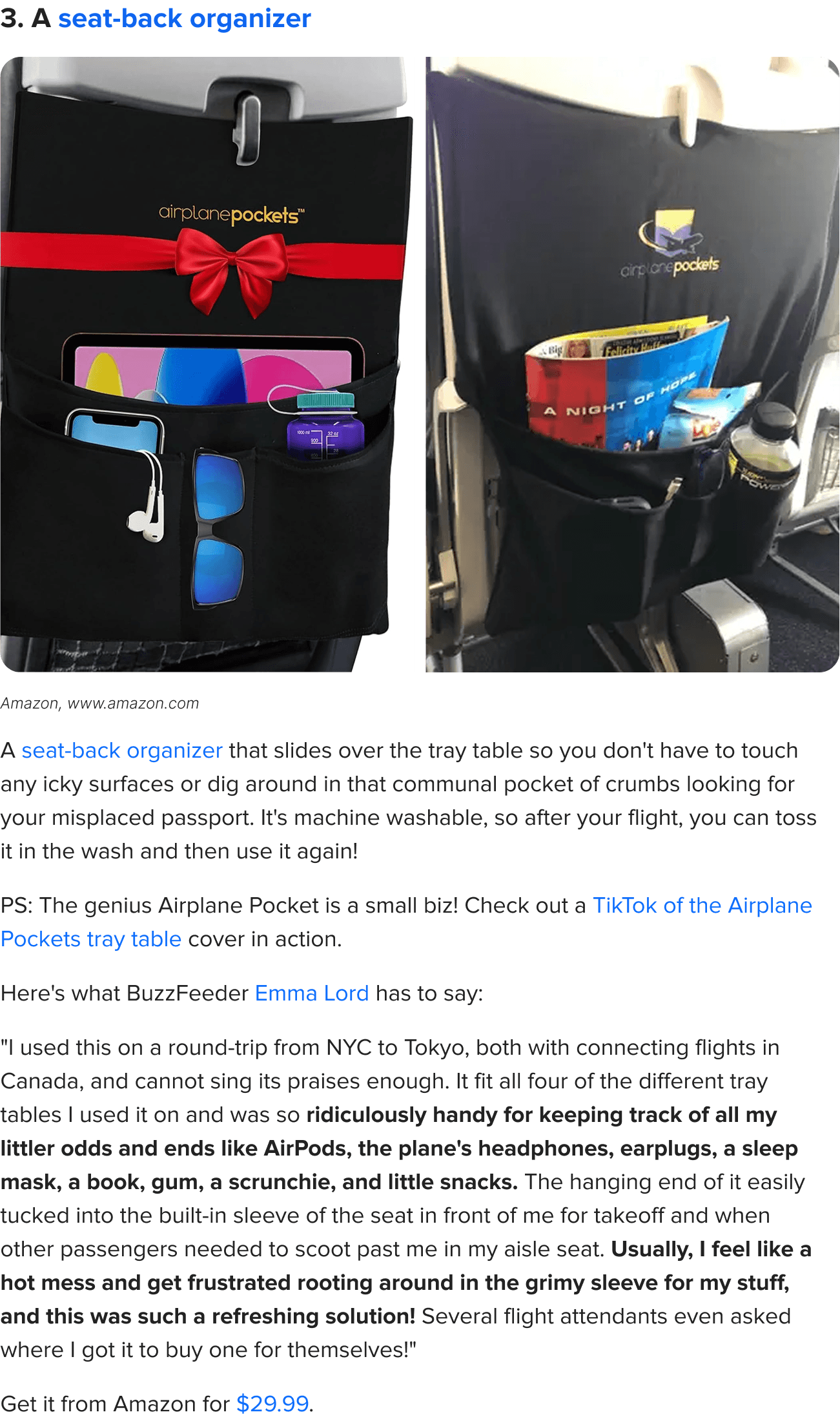



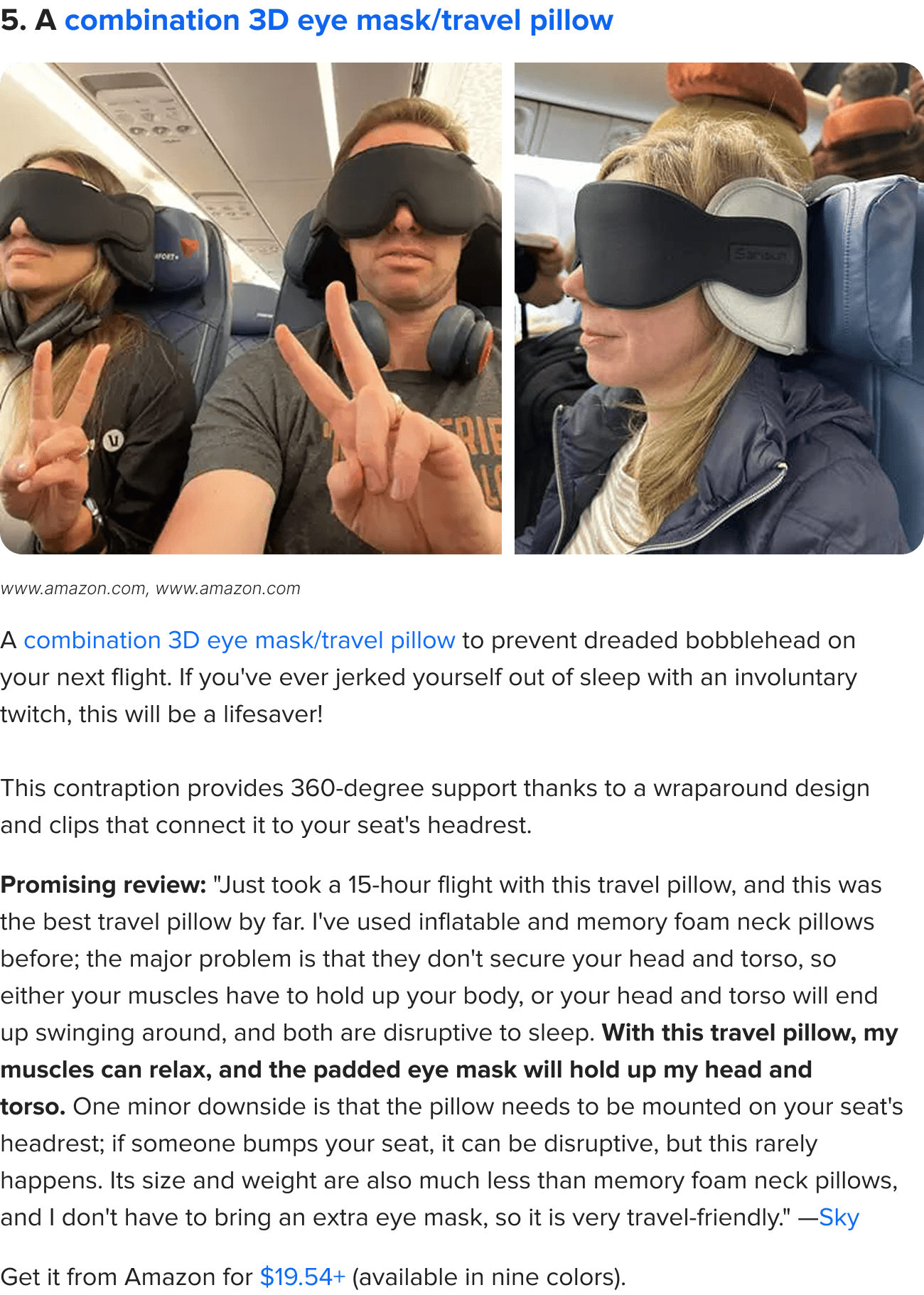



BuzzFeed Article format
Our own challenge
This is not a traditional e-commerce page.
It’s:
editorial content structured as lists
made of curated product blocks (“subbuzz”)
designed to feel like content first, commerce second
Each product:
tells a small story
follows a consistent visual pattern
contributes to a cohesive reading flow
Reframing the approach, we went:
from

“Where do we place Ads?”

Ads inside content
to

“How should monetization appear?”

Ads behaving like content
The Solution:






Smooth operator
The solution was to design the Ad as a subbuzz-like unit, fully aligned with the existing system.
Same structure
Title
Description
Image
Price
CTA
Same visual language
Typography
Spacing
Image hierarchy
Same interaction model
Scroll behavior
Link expectations
Why this worked out
Users already understood the pattern
No new cognitive load introduced
The unit felt like a natural extension of the list
Designing for Scale (AI + System)
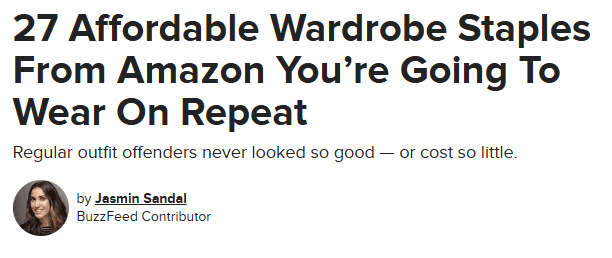
At the core of this system is a data-driven matching layer that determines which products appear in each article.
The model evaluates:
article content and context
product metadata and relevance
performance signals
This enables dynamic, scalable product placement across thousands of articles
Instead of a new Ad format, we created an extended source of relevant and seamless content to the shopping articles
Matching examples:




























Results achieved
2.0% CTR
vs <1% for other Ads
~$24K daily
revenue increment
41% CPM* growth
Cost per thousand views
How the numbers are calculated:
The ~$24K daily figure reflects a peak-period launch with Amazon Aggregator bonus commissions factored in — not typical daily performance, but a strong validation that the format scales under real demand. The unit is still live.
The 2.0% CTR was measured across live campaign traffic and held consistently — not tied to any single campaign.
*CPM (Cost Per Mille) represents the revenue generated per 1,000 impressions. Increasing it means we can charge more for our campaigns, typically driven by better targeting, relevance, and user engagement.
Final Insight
The success of this project didn’t come from adding Ads, but from respecting the product’s core interaction model.