Turning low-performing into revenue-driving experiences
Redesigned BuzzFeed’s shopping bottom of article by prioritizing high-intent behaviors, increasing engagement and monetization.
Date
December 2024 - February 2025
Company
BuzzFeed
Scenario
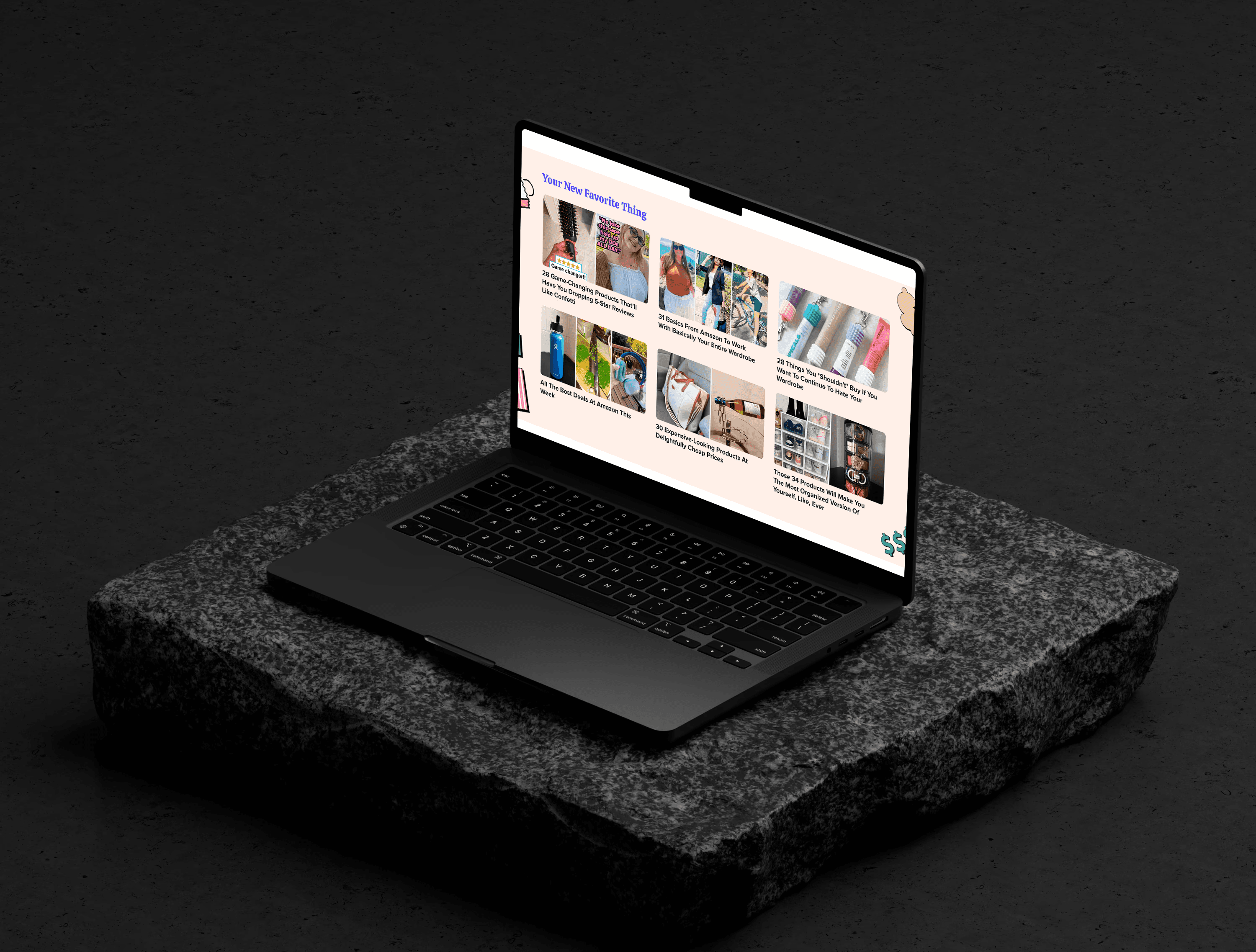
BuzzFeed shopping articles are structured as curated product lists, but the bottom-of-article experience was underperforming — despite being a high-intent section for users already engaged with the content.
Roles
UX audit & benchmarking
Layout redesign
A/B test
Prototyping
Design handoff & implementation support
Metric follow-up
Challenge
How to increase engagement and revenue by improving recirculation—without disrupting the shopping experience or adding friction?
Results
+1.6%
programmatic revenue
+1.8%
~$200K
annual revenue impact
Shopping context
This project focused on improving a high-intent commerce surface.
Users reaching the end of shopping articles are already:
browsing products
comparing options
open to discovery
The opportunity was not to add more content, but to guide the next action more effectively.
To understand where value was being lost,
I analyzed performance across all modules in shopping articles.
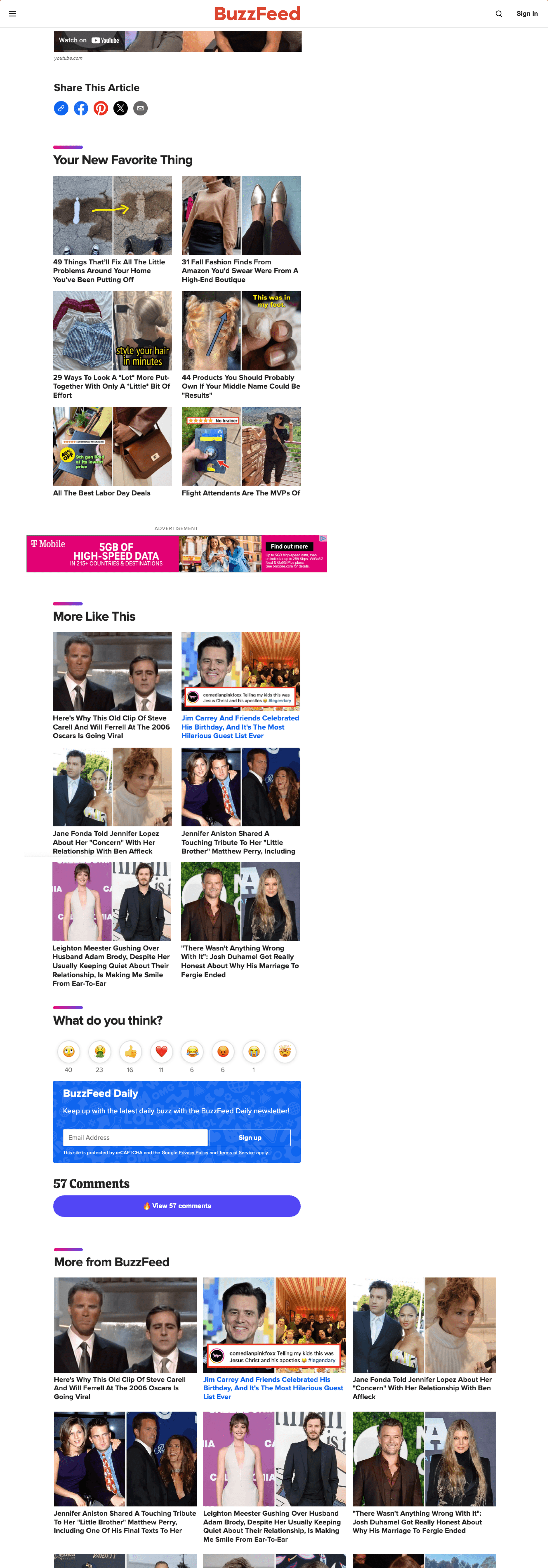
Analysis of past performance
(Shopping articles only)
1
Share content: Low revenue contribution and already being redesigned by another initiative.
2
Shopping recirc: Top-performing module with high engagement from users already in shopping mode.
3
Traditional Ad slot: Consistently underperforming compared to surrounding content.
4
Non-shopping recirc: Low engagement and weak contextual relevance to shopping.
5
Reaction and comments: Low interaction despite strong engagement elsewhere on the platform.
6
Final recirc: Low revenue and weak content relevance at this depth of the page.
Conclusions

Elements are underperforming or competing for attention.

Shopping recirculation was the only one with consistent performance signals.

The experience was optimized for content variety, not user intent.

The opportunity was to focus the experience around a single high-performing behavior
Based on these insights, I redesigned the experience around a single principle:
prioritize high-intent shopping behavior.
The Solution:




Commerce-First
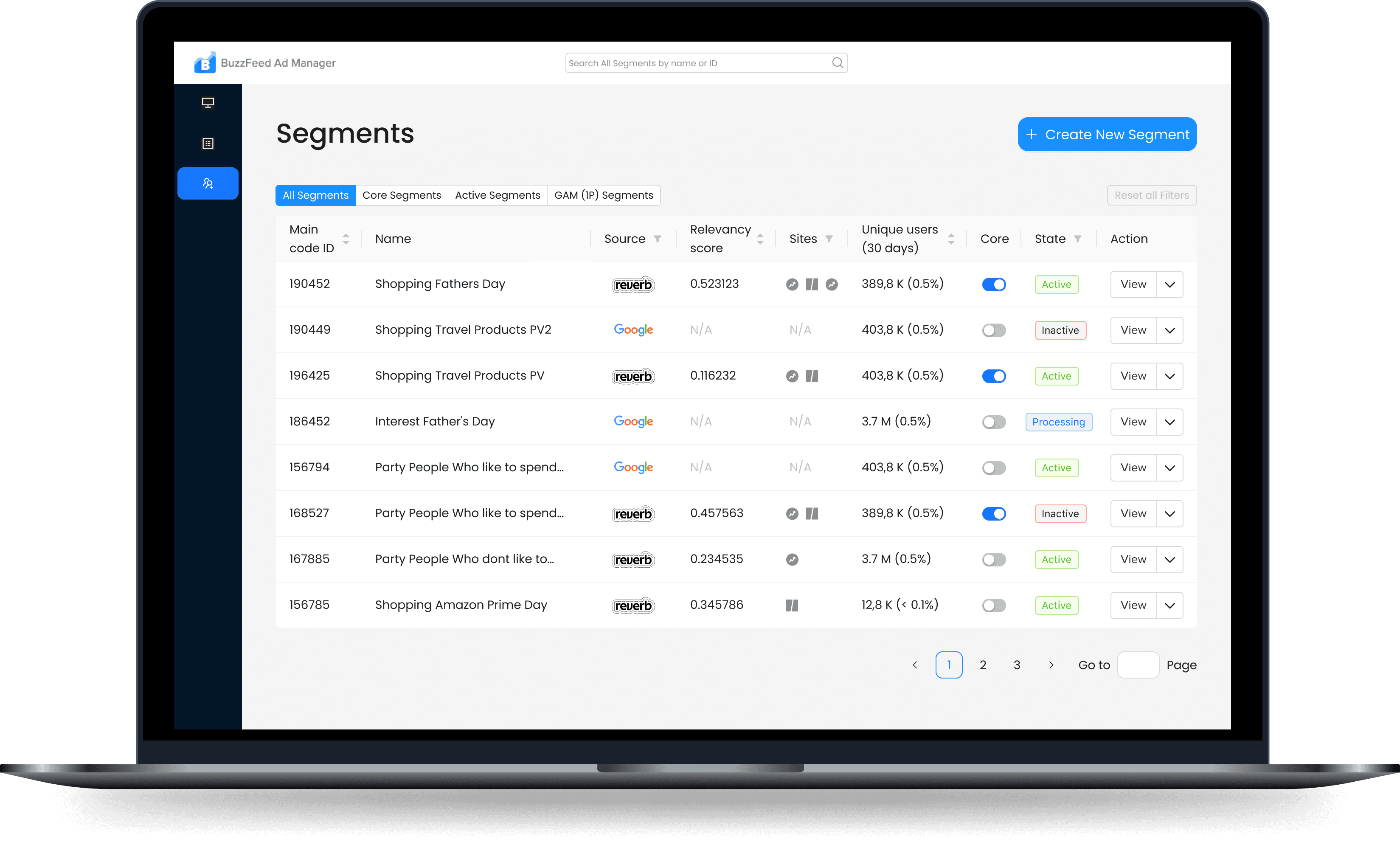
The redesigned experience transforms the page end into a cohesive browsing flow. Instead of a leftover space, a continuation of the shopping journey.
Shopping section:
Shopping recirculation prioritized.
New visual aligned with the shopping brand.
Surfaces relevant lists at the moment of highest intent.
Trending section:
Prevent theme fatigue, not only shopping.
Already existing section with great performance.
Gift inspiration section:
Already existing and a good performer on the shopping homepage.
More from BuzzFeed section:
If all else fails, keeping it as a last resort.
This should support, but not interrupt the flow.
A curious past learning:
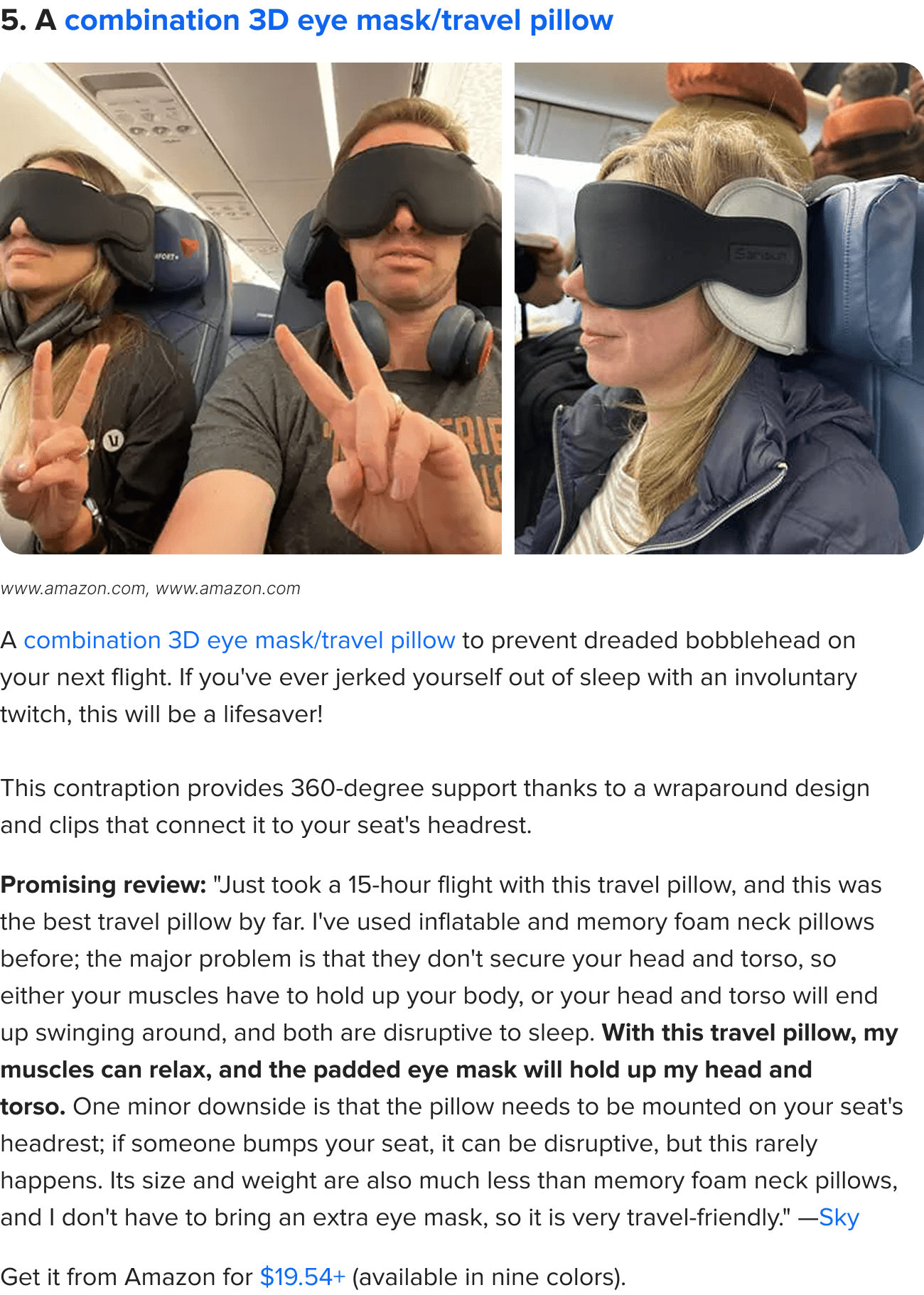
Earlier experiments at BuzzFeed showed that product-first carousels consistently underperformed — an insight that reshaped my approach.
When the experience feels like a catalog, users disengage. They come for curated recommendations, not shopping grids.
Content over products. General theme or utility over a random catalog.


A/B Test
The A/B test Ran Feb 6–23, 2025 · 100% exposure · mobile + desktop
Stat-sig increases in pageviews, time spent, and +1.6% programmatic revenue
This gave us the confidence to continue.
Phased launch strategy
We segmented the experience based on user intent and behavior, allowing us to validate the design across different monetization strategies.

New users

More general recirculation

Low-value referral users

Ad-focused recirculation

High-intent shopping users

Shopping-focused modules
This approach ensured we could optimize for high-value users without negatively impacting more casual visitors.
Results achieved
+1.6%
programmatic revenue
+1.8%
time spent
~$200K
annual revenue impact
How the numbers are calculated:
programmatic revenue is statistically significant, measured directly from the A/B test over 17 days.
200K revenue is the 1.6% lift applied to BuzzFeed's programmatic baseline, which is a conservative but realistic projection based on past year and current year projections.
Final Insight
This project reinforced that impactful design is not about adding features, but about aligning sections with user intent and business value.
Meaningful impact doesn’t always come from large changes—small, well-informed experiments can compound into significant results.