
Redesigning recirculation for shopping articles
Turning underperforming space into revenue and engagement
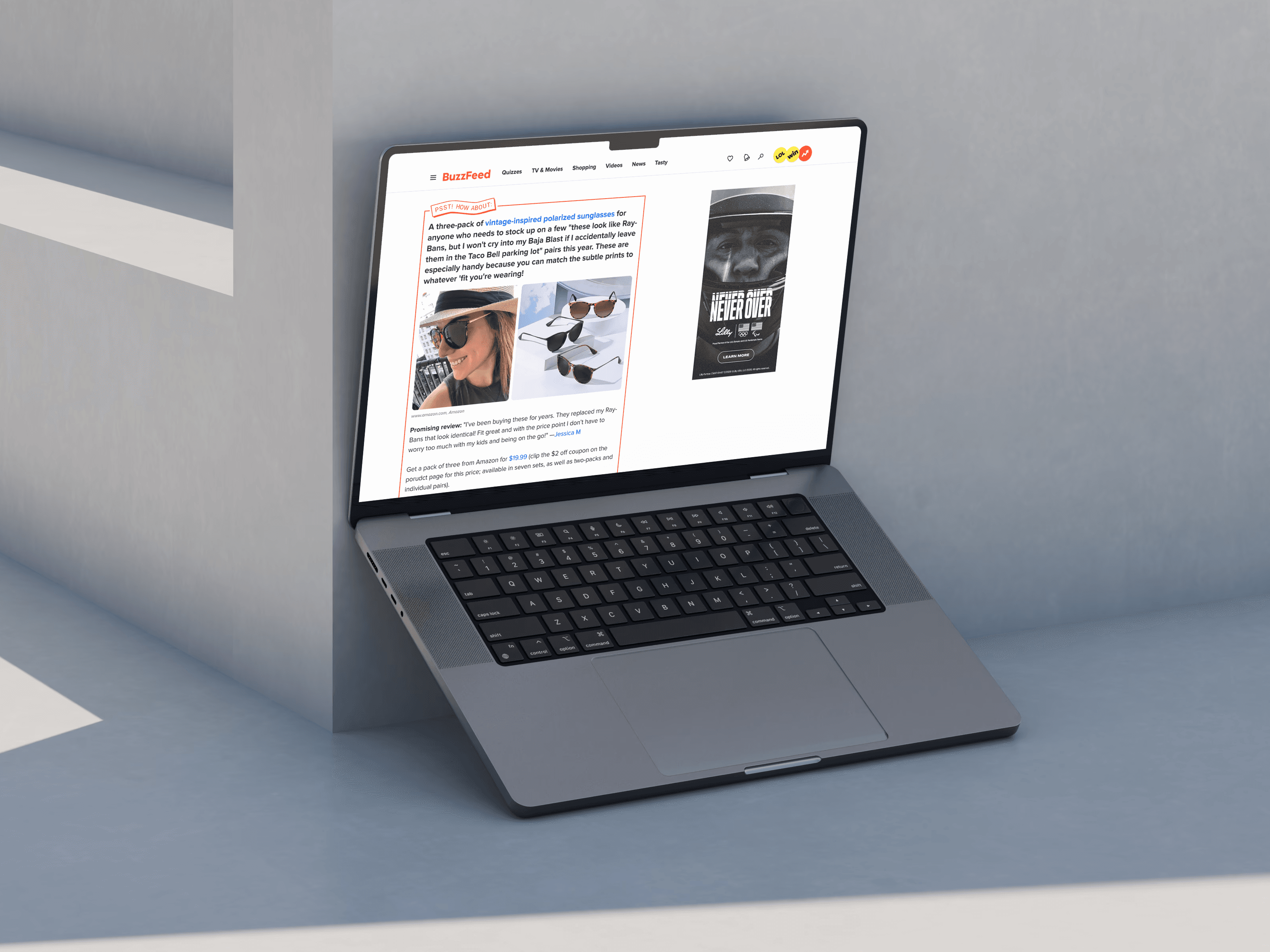
Date
December 2024 - February 2025
Company
BuzzFeed
Scenario
BuzzFeed shopping articles are structured as curated product lists, but the bottom-of-article experience was underperforming — despite being a high-intent section for users already engaged with the content.
Roles
UX audit & benchmarking
Layout redesign
A/B test
Prototyping
Design handoff & implementation support
Metric follow-up
Challenge
How to increase engagement and revenue by improving recirculation—without disrupting the shopping experience or adding friction?
Results
+1.6%
programmatic revenue
+1.8%
~$100K
annual revenue impact
Overview
This project focused on improving a high-intent commerce surface.
Users reaching the end of shopping articles are already:
→ browsing products
→ comparing options
→ open to discovery
The opportunity was not to add more content, but to guide the next action more effectively.



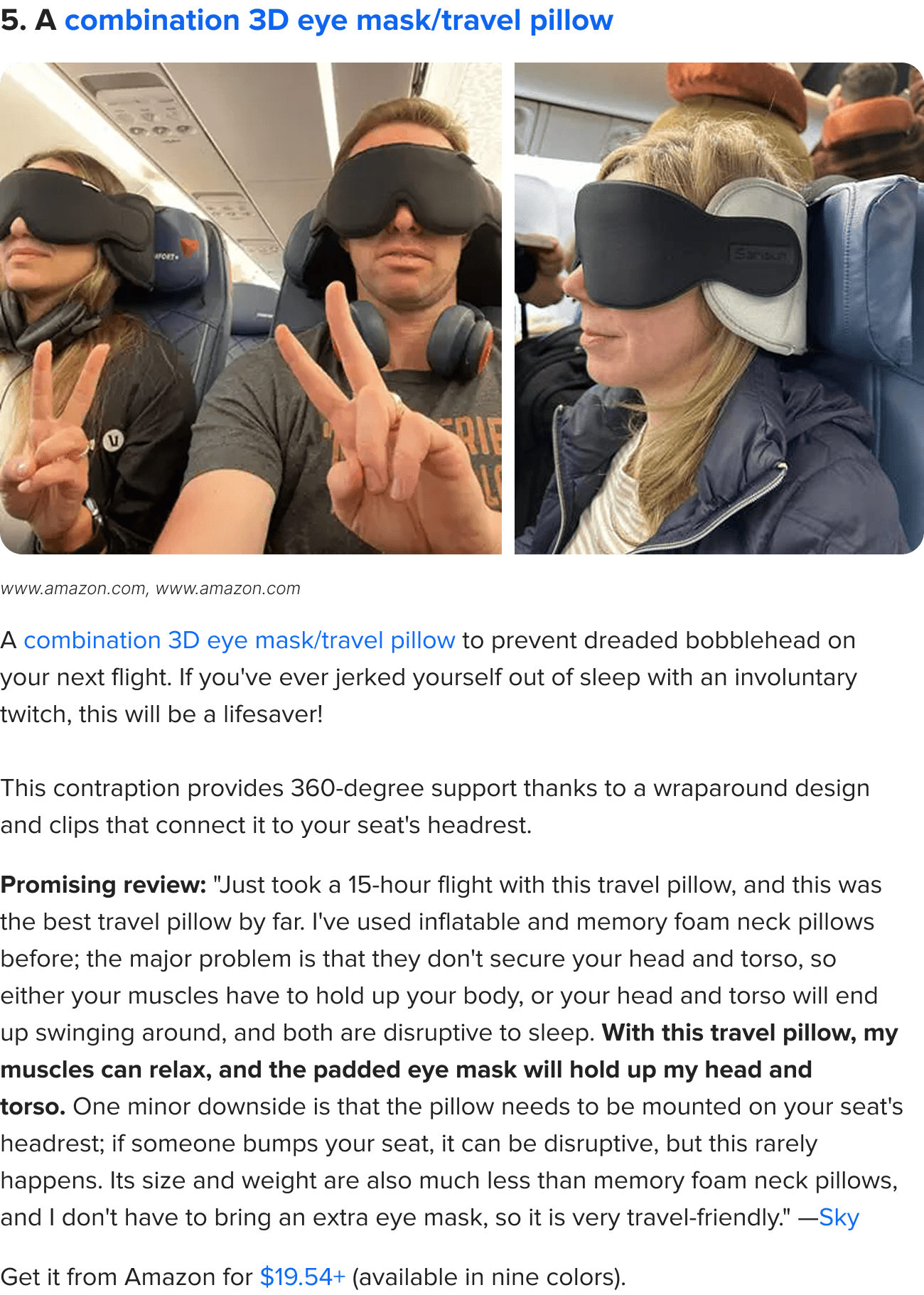





Before
The existing experience:
fragmented across multiple modules
competing for attention (ads, comments, recirculation)
weak visual hierarchy
At the same time, data showed:
→ recirculation modules were already the strongest driver of engagement and revenue
The problem wasn’t performance — it was how it was presented.
Reframing the Approach, we went
from

“Where do we place ads?”

ads inside content
to

“How should monetization appear?”

ads behaving like content
The Solution:
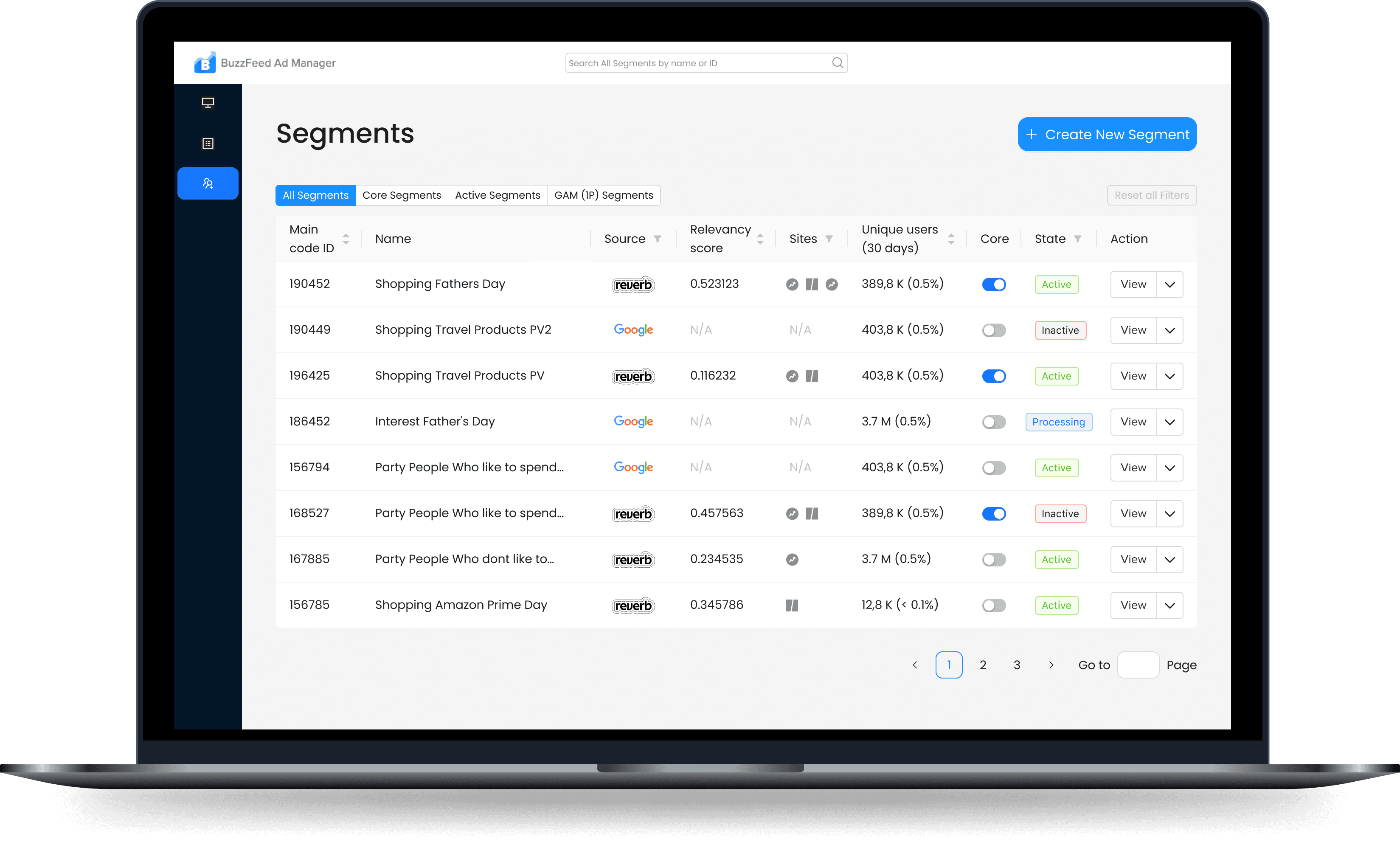

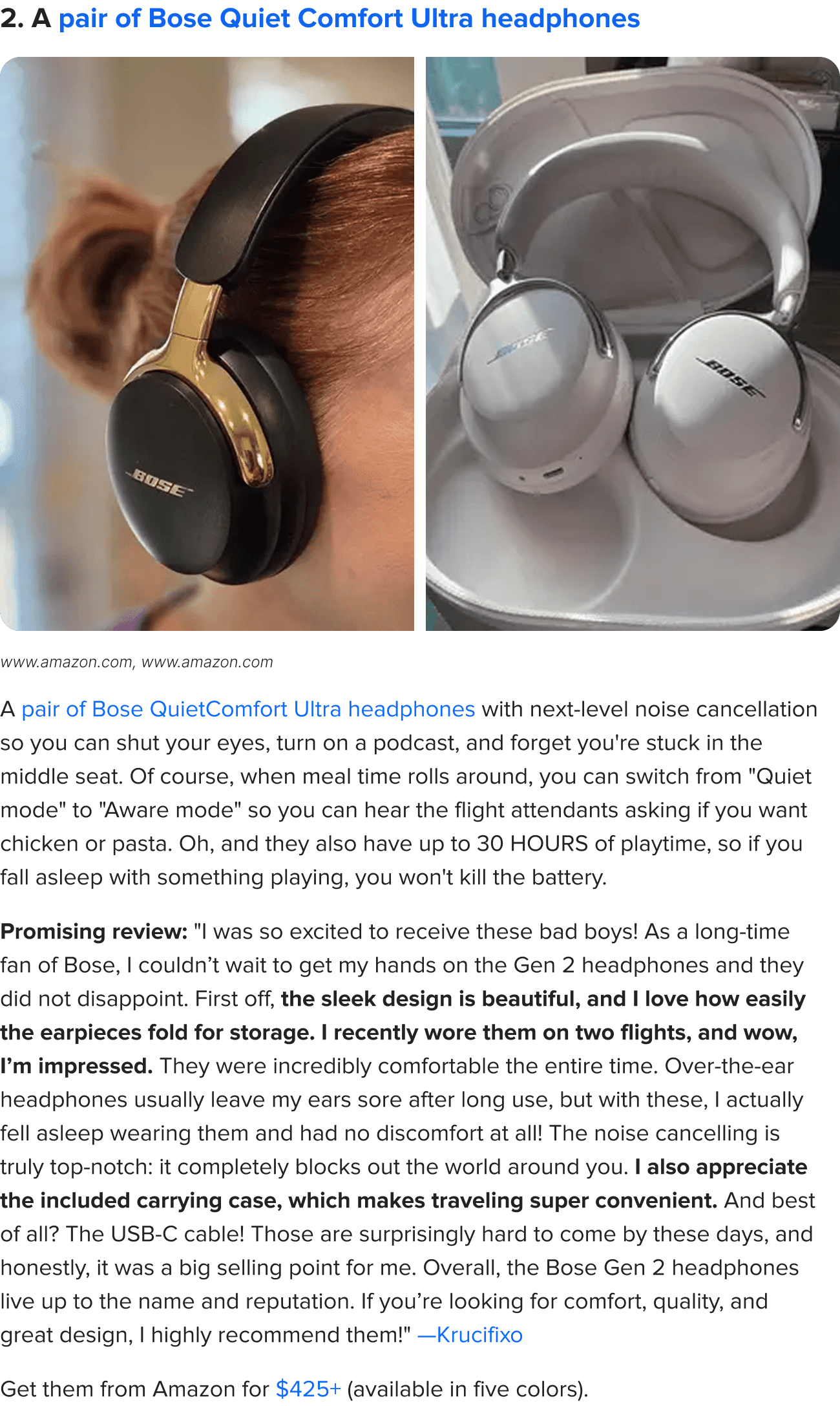




Smooth operator
The solution was to design the ad as a subbuzz-like unit, fully aligned with the existing system.
Same structure
Title
Description
Image
Price
CTA
Same visual language
Typography
Spacing
Image hierarchy
Same interaction model
Scroll behavior
Link expectations
Why this worked out
Users already understood the pattern
No new cognitive load introduced
The unit felt like a natural extension of the list
Designing for Scale (AI + System)
At the core of this system is an ML-driven matching layer that determines which products appear in each article.
The model evaluates:
article content and context
product metadata and relevance
performance signals
→ enabling dynamic, scalable product placement across thousands of articles
Instead of a new ad formact, we created an extended source of relevant and seamless content to the shopping articles
Results achieved
2.0% CTR
vs <1% for other ads
~$24K daily
revenue increment
41% CPM* growth
Cost per thousand views
Final Insight
The success of this project didn’t come from adding ads, but from respecting the product’s core interaction model.